
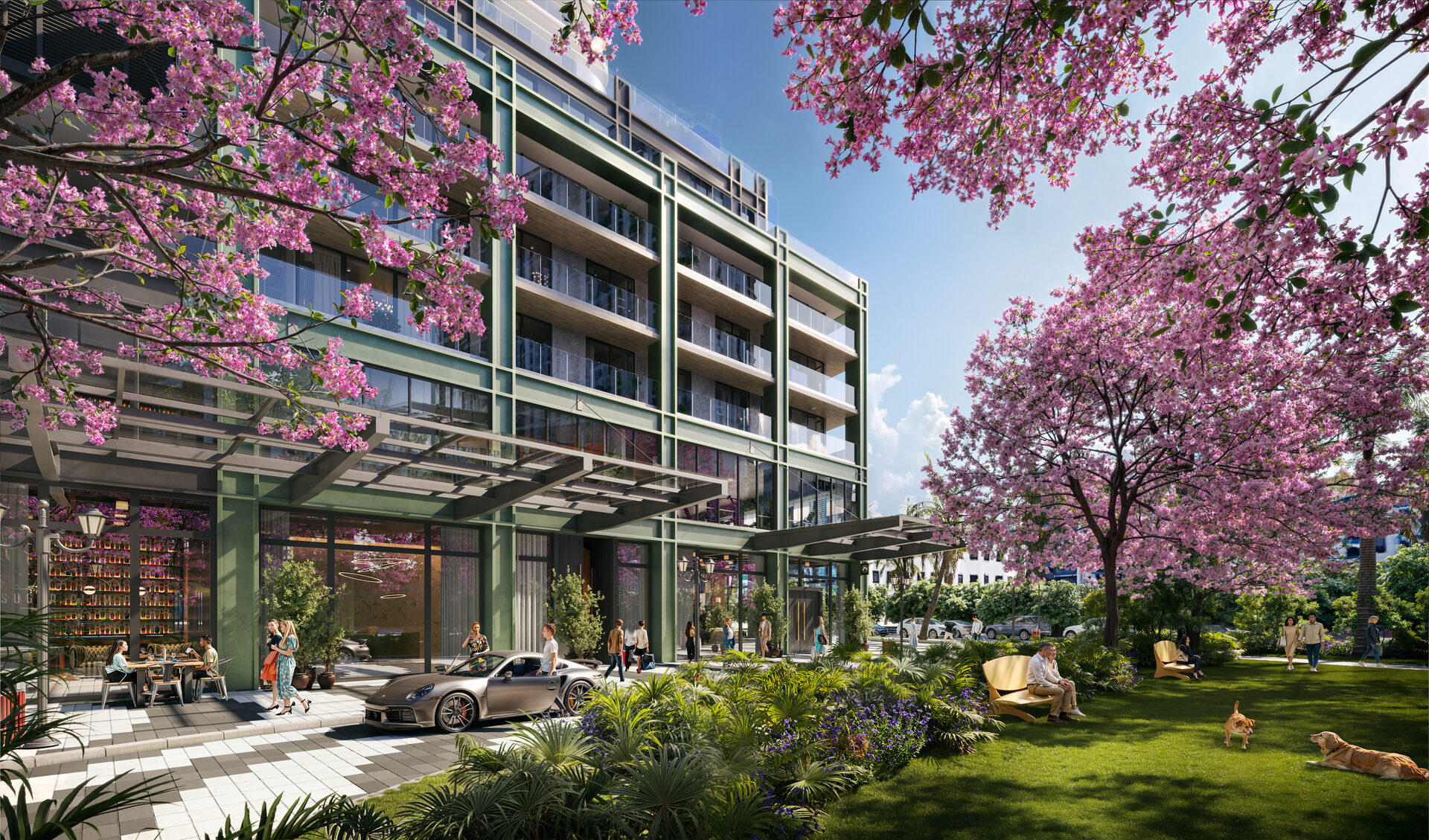
Pre-construction real estate investment has long attracted sophisticated buyers and investors seeking to secure positions in premier developments early. For those considering Midtown Park By Proper, understanding the pre-construction buying process, financing mechanics, and strategic considerations provides the foundation for making an informed investment decision. This comprehensive guide walks you through every aspect of acquiring a pre-construction unit at Midtown Park, from initial inquiry through closing and ownership.
Understanding Pre-Construction Real Estate
Pre-construction purchasing differs fundamentally from purchasing completed properties. When you buy pre-construction, you're acquiring a property based on architectural plans, renderings, and developer commitments rather than on completed, inspectable property. This distinction creates both opportunities and risks that merit careful consideration.
Pre-construction pricing typically ranges 15-25% below completed property market valuations for equivalent units in comparable developments. This pricing differential compensates investors for the time value of money during construction, development risk assumption, and the uncertainty inherent in purchasing property that doesn't yet physically exist in finished form. No appreciation between purchase and delivery is promised.
For Midtown Park specifically, the combination of world-class developers (Rosso Development), exceptional architects and designers (Arquitectonica and Meyer Davis), and compelling location in established Midtown Miami creates a pre-construction opportunity with exceptional fundamentals. Pre-construction buyers benefit from early-stage pricing while purchasing property created by the same teams whose track records support confidence in execution.
Step One: Research and Property Education
Successful pre-construction investments begin with thorough understanding of the property, development team, and market context. This research phase should encompass several critical components. First, examine Midtown Park's architectural plans, unit floor plans, and amenity spaces. Understand the property's positioning within Midtown Miami's landscape and the specific site characteristics affecting the development.
Second, research Rosso Development's track record. What previous developments have they completed? Do those properties appreciate after completion? What's their reputation for quality and for delivering on architectural and design commitments? Examine Meyer Davis and Arquitectonica's previous work to understand design quality and execution standards.
Third, understand Midtown Miami's real estate fundamentals. What has property appreciation looked like in the neighborhood? What's the rental market strength? What's the demographic profile of residents? What are the economic drivers supporting neighborhood growth? This contextual understanding informs your investment thesis beyond simply purchasing a particular unit.
Finally, examine alternative properties. How does Midtown Park's pricing, amenities, design quality, and location compare to competing developments? Pre-construction investment requires confidence that you're acquiring exceptional value, not merely participating in development hype.
Step Two: Initial Inquiry and Sales Consultation
Once your research establishes that Midtown Park warrants serious consideration, contact the sales team. Initial inquiries typically involve discussions with sales representatives who can provide detailed information about available unit types, floor plans, pricing, and financing options. This conversation serves multiple purposes: you gather detailed information about the property, sales representatives assess your purchasing intent and capability, and you begin establishing the relationship that will facilitate your transaction.
Come to this conversation prepared with specific questions. What unit types appeal to you? What's the anticipated delivery timeline? What are payment schedules? What financing options are available? Are there any special programs for early purchasers or investors? What are the developer's policies regarding unit modifications or customization? Detailed conversations at this stage create efficient processes and prevent misunderstandings later.
Step Three: Unit Selection and Reservation
Once you've identified units that align with your investment objectives, the sales process moves to unit reservation. Typically, developers require deposit payments to reserve specific units, preventing multiple sales of the same unit while allowing the developer to demonstrate strong pre-sales activity to construction lenders.
Reservation deposits vary but typically range from $50,000 to several hundred thousand dollars depending on unit price. These deposits are typically held in trust and applied toward closing. However, clarify the developer's policies regarding deposits in various scenarios: What happens if you decide not to purchase? Under what circumstances are deposits refundable? What are the terms if the developer fails to deliver on schedule or to architectural specifications?
This phase also involves selecting specific unit types and locations. Do you prefer corner units with superior views? Higher or lower floors? Units adjacent to particular amenities? Your specific preferences, combined with your investment thesis (are you purchasing for personal residence or as a rental investment?), should inform unit selection strategy.
Step Four: Purchase Agreement Negotiation and Execution
The purchase agreement represents the legal foundation for your transaction. This document specifies unit specifications, price, payment schedule, delivery timeline, developer responsibilities, and your rights and obligations. Purchase agreement negotiation varies significantly depending on market conditions, developer leverage, and individual purchaser sophistication.
In strong development markets, developers have minimal incentive to negotiate purchase agreement terms. However, sophisticated purchasers and those making substantial commitments sometimes negotiate provisions addressing specific concerns: price protection if comparable units become available at lower prices, modifications to unit specifications, flexibility regarding delivery timeline, or developer commitments regarding amenity completion and operation.
Strongly consider engaging real estate attorneys experienced in pre-construction transactions to review purchase agreements before execution. While developers' standard forms reflect reasonable protections for both parties, attorney review identifies provisions that may warrant negotiation or clarification based on your specific circumstances.
Step Five: Understanding Payment Schedules
Pre-construction developments typically utilize progressive payment schedules rather than requiring full payment at closing. Payment schedules tie payments to construction milestones: foundation completion, structural completion, mechanical systems installation, final completion, and closing. This structure aligns purchaser payments with developer capital needs during construction.
Understand the specific payment schedule for your unit. What are the milestone triggers for each payment? What percentage of total price is due at each milestone? When is the final payment due relative to closing? Do you have the liquidity to meet these payment obligations on schedule? Development lenders sometimes implement consequences for missed payments, so understanding and honoring payment obligations proves critical.
Additionally, clarify whether interest accrues on deferred portions of the purchase price. Some developers charge interest on amounts financed through milestone payments; others do not. This impacts your effective purchase price and return calculations.
Step Six: Securing Financing
Most pre-construction purchasers require construction or bridge financing to meet milestone payments before closing. Once pre-construction property nears completion, permanent financing becomes available. Understanding your financing options and securing commitments from lenders proves essential.
Pre-construction financing presents specific challenges. Traditional mortgage lenders often hesitate to finance incomplete properties, particularly when developers lack proven completion track records. Bridge loans (temporary financing covering milestone payments during construction) often provide the necessary solution. Bridge loans typically carry higher interest rates than permanent mortgages but cover the interim period until permanent financing becomes available.
Rosso Development's proven track record facilitates financing. Institutional lenders and construction financing specialists are often willing to finance Rosso Development purchases because the developer's completion record reduces completion risk. However, you should still proactively engage lenders early to understand their requirements, underwriting standards, and financing capacity before committing to specific payment obligations.
Additionally, prepare for the possibility that permanent financing may involve specific requirements or limitations. Some lenders scrutinize pre-construction properties more carefully than completed ones. Some may limit loan-to-value ratios or require documented sales of completed comparable properties. Understanding these potential limitations informs your financial planning.
Step Seven: Milestone Payments and Construction Monitoring
Once you've executed your purchase agreement and secured financing, the construction phase involves periodic milestone payments. During this extended period (typically 18-36 months for significant developments) maintain active engagement with the property and developer.
Request regular construction updates, including photographs, progress reports, and anticipated delivery timelines. Attend developer-hosted construction tour events to monitor progress firsthand. Track whether the development is advancing on schedule and whether quality appears to align with expectations and design specifications.
This active monitoring serves practical purposes beyond mere interest. Should development challenges emerge (construction delays, quality issues, design modifications) your awareness allows informed decision-making about the investment. Additionally, documentation of construction progress and developer correspondence creates valuable records should disputes arise regarding completion, quality, or timeline.
Step Eight: Final Walkthrough and Inspection
As construction nears completion, conduct thorough pre-closing inspections of your unit. These walkthroughs verify that the completed unit matches purchase agreement specifications, that finishes meet specified quality standards, and that mechanical systems function properly. Collaborate with professionals experienced in residential inspections, who identify defects or specification deviations that untrained eyes might miss.
Document any discrepancies between the completed unit and purchase agreement specifications or expectations. Provide written notice to the developer identifying specific issues requiring resolution before closing. Reputable developers address legitimate defects and specification variances; disputes typically emerge only when purchasers and developers disagree about whether specific conditions constitute genuine defects versus acceptable variations within normal construction tolerances.
Step Nine: Closing and Title Transfer
Pre-construction closings follow similar procedures to completed property closings, with important distinctions. Ensure that the developer has paid all construction liens and that clear title transfers at closing. Verify that all deposits have been credited toward the purchase price and that final payments have been correctly calculated per your purchase agreement.
Title insurance protects against title defects discovered after closing. Ensure that your closing includes acquisition of title insurance protecting your ownership interest. Additionally, clarify responsibility for property taxes during the period between completion and closing, some developers retain these obligations, while others bill them to purchasers.
Step Ten: Post-Closing Ownership and Warranty Periods
After closing, you assume ownership responsibilities and benefit from builder's warranties on various property systems. Understand the specific warranties provided: structural systems, mechanical systems, finishes, and appliances typically carry defined warranty periods. Preserve documentation of any defects discovered during initial occupancy, as developers' warranty obligations may limit the period during which defects trigger repair obligations.
If you've purchased as a rental investment, establish relationships with property managers, contractors, and service providers before tenants move in. If you're owner-occupying, manage the transition from construction phase to occupancy thoughtfully, allowing time for cleaning and any necessary adjustments before taking possession.
Investment Strategy Considerations
Pre-construction purchasers should consider distinct investment strategies based on your financial situation and investment objectives. Owner-occupant purchasers secure premium residences in exceptional developments at pre-completion pricing, while benefiting from the residence directly. This strategy requires less sophisticated financial analysis but depends heavily on neighborhood and property selection quality.
Investor-purchasers planning to rent should review rental rules, operating expenses, and carrying costs. Pre-construction investments for income generation typically require longer investment horizons, rental income may not cover carrying costs, and no rental income or return is promised. No appreciation is promised.
Fix-and-flip strategies (purchasing pre-construction units with plans to resell after completion at appreciated valuations) appeal to some investors. This strategy carries real market risk, and no appreciation is promised. This creates timing risks; markets shift, or properties may not command anticipated valuations upon delivery.
Ready to Invest in Midtown Park?
WIRE Miami represents buyers and will guide you through every step of the pre-construction purchasing process at Midtown Park. Contact us to begin your investment journey.
Contact WIRE MiamiConclusion: Strategic Positioning Through Pre-Construction Investment
Pre-construction investing at Midtown Park By Proper offers sophisticated purchasers an opportunity to acquire exceptional residences in one of Miami's premier neighborhoods at pricing that precedes market-driven valuations. The combination of proven developers, exceptional design, compelling location, and luxury amenities supports personal residence enjoyment. No financial return is promised.
Success in pre-construction investing requires diligent research, clear understanding of the purchase process and financing mechanics, active engagement during construction phases, and realistic expectations about timelines and returns. For those prepared to navigate these elements thoughtfully, pre-construction purchases at Midtown Park position investors to participate in the neighborhood's ongoing growth while securing residences in one of Miami's most distinctive luxury developments.