
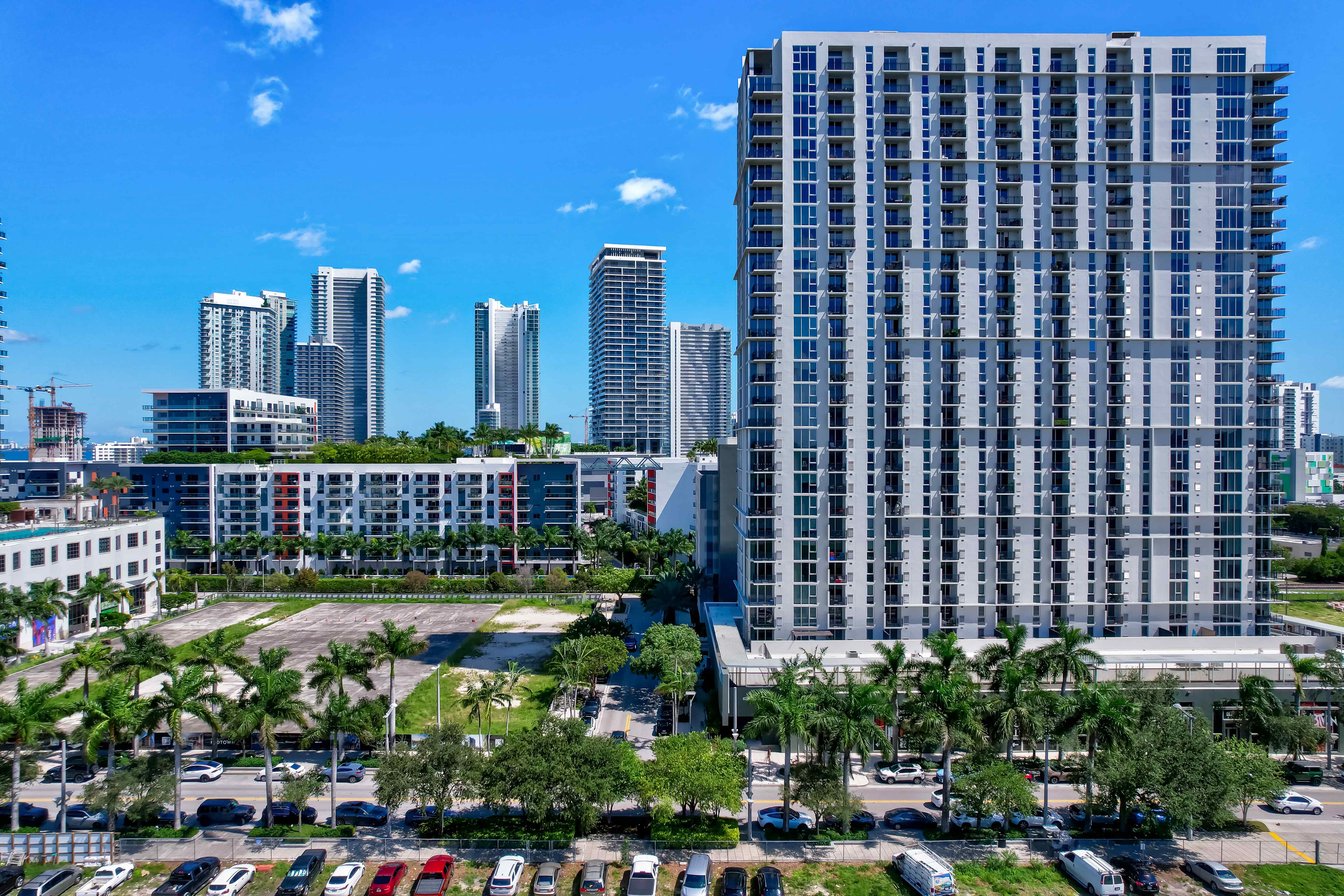
Miami's real estate investment landscape is in constant evolution, with neighborhoods rising and falling in favor based on economic dynamics, demographic shifts, and cultural momentum. In 2026, one neighborhood has decisively claimed the title of Miami's hottest investment destination: Midtown Miami. Once considered an emerging area with untapped potential, Midtown has transformed into a vibrant urban hub that combines walkability and cultural vibrancy. For those considering where to invest their capital in Miami real estate, understanding why Midtown has ascended to the top tier of investment neighborhoods is essential.
From Emerging Neighborhood to Urban Hotspot
The Midtown Miami transformation represents one of Miami's most compelling real estate success stories of the past decade. What began as an industrial corridor with significant underutilized real estate has evolved into one of Miami's most desirable residential and commercial destinations. This trajectory follows a pattern familiar to urban development specialists: urban revitalization driven by forward-thinking developers, city planning that encourages mixed-use development, and the organic migration of creative professionals and young investors seeking walkable, culturally rich urban environments.
The timing of Midtown's rise is particularly significant. As Miami matures as a global city, residents increasingly seek neighborhoods that offer more than just luxury amenities, they seek authenticity, community, and the kind of street-level vibrancy that emerges from genuine urban neighborhoods rather than isolated developments. Midtown Miami delivers exactly this experience, and real estate investors have recognized and acted on this positioning.
Walkability as an Investment Thesis
Walkability is a major draw for buyers and renters. Neighborhoods where daily necessities (restaurants, retail, services, cultural institutions) exist within a pedestrian-friendly radius command higher valuations and attract a broader demographic of residents willing to invest in properties there. Midtown Miami has built itself into one of South Florida's most walkable neighborhoods, a distinction that supports rental demand.
The practical implications for investors are significant. Properties in highly walkable neighborhoods attract both owner-occupants willing to pay premium prices for the lifestyle benefit and investors seeking high-quality tenants who value walkability and will maintain steady rental payments. Midtown's walkability premium supports both investment theses simultaneously.
Cultural Vitality and Demographic Appeal
Midtown Miami's cultural character sets it apart from more homogeneous Miami neighborhoods. The concentration of galleries, restaurants, boutiques, and cultural institutions creates an environment where residents aren't simply sleeping in their neighborhood. They're engaging with it daily. This cultural vitality attracts a specific demographic: educated, professionally accomplished individuals aged 25-55 with significant discretionary income and preferences for urban living.
This demographic profile matters enormously for real estate investors. These residents stay longer in their residences, maintain properties carefully, and demonstrate consistent payment patterns. They're precisely the demographic that luxury residential developers and investors target because they value urban living.
Infrastructure Investment and City Support
Midtown's emergence as a premier neighborhood hasn't occurred by accident. The City of Miami has demonstrated clear commitment to Midtown's development through infrastructure investment, zoning decisions, and public support for mixed-use development in the area. This city-level support matters enormously for investors, as it signals that future development will be supportive of Midtown's continued growth rather than competitive toward it.
The $2 billion mixed-use destination of which Midtown Park is a part represents exactly the kind of large-scale development that requires city support and planning coordination. Real estate investors benefit from this coordinated development approach, which ensures infrastructure keeps pace with residential and commercial growth.
Supply Constraints and Development Scarcity
As Midtown Miami has developed, the remaining available development sites have become increasingly scarce. This supply constraint creates favorable conditions for existing properties and completed new developments. While new supply continues to come online (such as Midtown Park By Proper) the overall scarcity of development-ready land maintains upward pressure on valuations. For investors, this means properties purchased in Midtown today benefit from limited future competition from new supply.
This supply dynamic contrasts favorably with many other Miami neighborhoods where substantial vacant land remains available for future development, potentially creating oversupply scenarios. Midtown's developed character means future growth will come largely through redevelopment of existing structures at higher densities, rather than expansion into virgin land.
Rental Market Strength and Tenant Demographics
Midtown Miami's tenant demographics present particularly attractive conditions for rental investors. The neighborhood attracts young professionals and established urbanists with significant discretionary income who seek rental accommodations (both temporary and long-term) in walkable, culturally rich neighborhoods. This creates rental demand across the price spectrum.
Miami's traditional rental market concentrated around tourists and seasonal residents has historically created revenue volatility for residential investors. Midtown's different demographic profile (professionals seeking urban living rather than tourists seeking vacation accommodations) creates a different rental demand profile. No rental income is promised.
Tech and Creative Industry Presence
Midtown Miami's attractiveness to technology professionals, creative workers, and entrepreneurs adds another layer of demographic strength to the neighborhood. The proximity to Wynwood's creative ecosystem, the neighborhood's collaborative work spaces and culture, and Miami's broader emergence as a technology and entrepreneurship hub have made Midtown particularly attractive to these high-income, young professionals. This demographic tends to prioritize walkable, culturally vibrant neighborhoods and demonstrates strong rental payment history.
As Miami's economy diversifies beyond real estate development and tourism into technology, healthcare, and creative industries, neighborhoods like Midtown that attract these professionals become increasingly valuable. Economic diversification shapes neighborhood demand.
Comparison to Alternative Miami Neighborhoods
Understanding Midtown Miami's investment appeal requires context. While other Miami neighborhoods offer specific attractions (Brickell's downtown urban density, Wynwood's artistic character, Coral Gables' historic grandeur) Midtown combines multiple attractive qualities in a balanced package. It offers walkability comparable to Brickell, cultural vitality rivaling Wynwood, and prices substantially below what either of those more established neighborhoods command.
This positioning (newer to the market than Brickell or Wynwood, but not so new as to carry development risk, with pricing still below comparable neighborhoods) creates what real estate strategists call a "sweet spot" for real estate investment. Investors can secure properties in a premier neighborhood before valuations reach the heights that comparable properties in Brickell or South Beach command.
Pre-Construction Opportunities and Investment Timing
The pre-construction phase offers first choice of inventory. Properties like those at Midtown Park By Proper offer pricing that precedes construction completion and the subsequent market-driven valuation increases. No appreciation is promised.
Midtown's maturity as a neighborhood (it's not so new that its future is uncertain) combines with the pre-construction timing advantage to create a particularly compelling investment opportunity. You're buying at pre-completion pricing in an established neighborhood.
Long-Term Considerations
Real estate investment success requires understanding the difference between short-term market fluctuations and long-term fundamentals. Midtown Miami's fundamentals (neighborhood maturity, demographic appeal, cultural vitality, walkability, supply constraints, city support, and economic positioning within a diversifying Miami) shape the neighborhood. No appreciation is promised, and no market is independent of cycles.
Neighborhoods don't reverse their development trajectories overnight, once established as desirable, they maintain and deepen their desirability over extended periods.
Invest in Midtown's Future
Discover how Midtown Park By Proper offers sophisticated investors an entry point into one of Miami's hottest neighborhoods at pre-construction pricing with world-class design and amenities.
Explore Investment OpportunitiesConclusion: Recognizing a Trend That's Here to Stay
Midtown Miami's emergence as the hottest neighborhood for real estate investment in 2026 reflects genuine, fundamental shifts in how Miami's professionals and investors choose to live. The combination of walkability, cultural vitality, demographic appeal, and supply constraints creates conditions for sustained investment performance. For those considering real estate investment in Miami, Midtown represents not a temporary trend but the emergence of a neighborhood with enduring appeal.
Midtown combines several positive factors at once. Midtown Miami represents exactly such an alignment, all the elements that drive real estate success are present and reinforcing each other. For sophisticated investors seeking to position capital in Miami real estate with conviction, Midtown Miami's time is undoubtedly now.